National Desk
Toilet Paper Outlawed Effective Midnight as Canadian Pulp Dispute Escalates
Executive order directs households to the Ice Irrigator 2000, the only approved domestic alternative. Commerce sets a 90-day transition. Canada says it has been trying to reach someone about this since Tuesday.

By our National Correspondent · Filed from a bathroom in Arlington · September 12, 2026
The President signed an executive order Friday evening prohibiting the manufacture, importation, sale and possession of toilet tissue within the United States, describing the product as “a Canadian delivery system” and “the softest weapon ever pointed at this country.” The order takes effect at midnight.
The dispute began, as most do, with softwood lumber. A share of the pulp used in American tissue crosses the northern border, a fact the administration described Friday as “a hostage situation we have been wiping with for forty years.” Officials said the order restores what one adviser called “posterior independence.”
“They have been sending us their trees, rolled up, and we have been thanking them. Not anymore. Not one more sheet.”
Under the order, households have ninety days to surrender existing inventory to a Strategic Tissue Reserve, which the Department of Energy confirmed it learned about at the same time as everyone else. A senior official said the Reserve would be “held, not used,” and declined to say against what.
The order names a single approved alternative: the Ice Irrigator 2000, a domestically assembled bidet attachment that reaches 34 °F in under two seconds. The manufacturer’s share price rose 4,100 percent before trading was halted, resumed, and halted again for what the exchange described as “a reason we are still workshopping.”

The company’s founder, reached at a facility in Ohio, said only that he had been told this might happen and had “quietly built capacity.” Asked whether Americans were prepared for the product, he said the question was philosophical and that he had a call.
What changes at midnight
- Possession of tissue becomes a civil matter; possession of more than twelve rolls becomes a conversation.
- Single-ply is exempt for ninety days, having been ruled “already a punishment.”
- The Ice Irrigator 2000 becomes the approved alternative. No other device is approved. There are no other devices.
- Interstate transport of tissue requires a waiver. The waiver form does not exist yet and is described as forthcoming.
- Hotels are exempt until January, for reasons the order does not give and no one has asked about.
Canada responded within the hour. A spokesperson for the trade ministry said the country had been attempting to schedule a call since Tuesday, had been placed on hold twice, and was “prepared to discuss this at any time, including now, including for the next several hours.” Asked whether Canada would retaliate, the spokesperson said that it would not, and that this was “a difficult week to be polite.”
Early compliance appears mixed. Retailers in eleven states reported shelves cleared by 9 p.m., which officials characterised as “surrender to the Reserve, happening organically.” Plumbers reported a 300 percent increase in emergency calls, all of them installations, none of them emergencies.
Implementation falls to the Commerce Department, which said it would publish guidance “in the coming days” and referred all questions about the 34 °F figure to the manufacturer. The manufacturer referred them back. A Commerce spokesperson, asked directly whether she had used the device, said that she had, once, and that the interview was over.
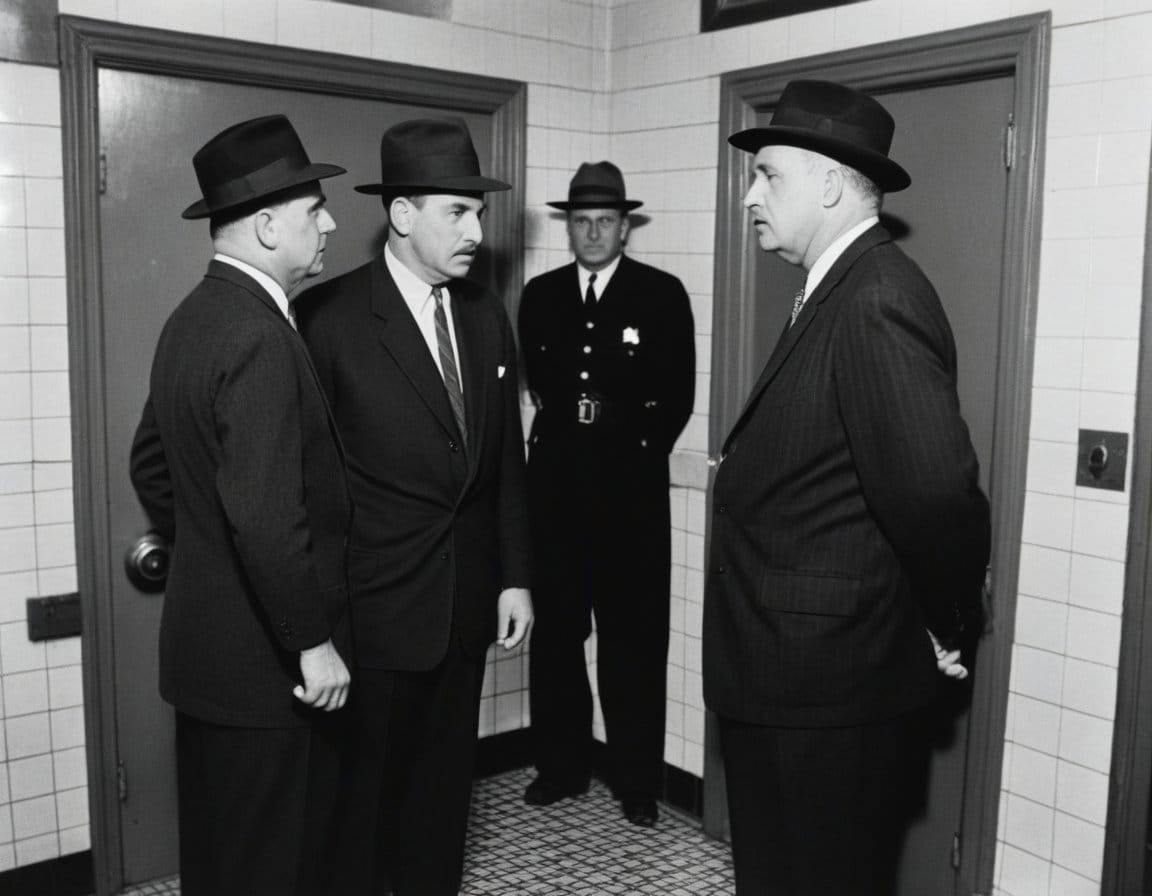
This newspaper reviewed the Ice Irrigator 2000 the previous day and awarded it four stars, describing it as “flawless execution of an idea that should have been stopped at the whiteboard.” Our Appliance Desk has asked us to note that the review was of a consumer product, was not a policy endorsement, and was written before any of this. The Appliance Correspondent has declined further comment and has taken the week.
Update Update, Saturday: Asked at Saturday’s briefing whether the 4,100 percent move in the manufacturer’s share price constituted evidence of a broader pricing problem, a spokesman said the question could not be answered in its current form and referred reporters to that morning’s second executive order.