Consumer Desk
Consumers Outraged to Learn Candy Corn Does Not Come From a Cob
Class actions filed in three states. The manufacturer responded that it has never grown anything and does not own a field. A Nebraska farmer said he has been asked about his harvest eleven times since Thursday and would like it to stop.
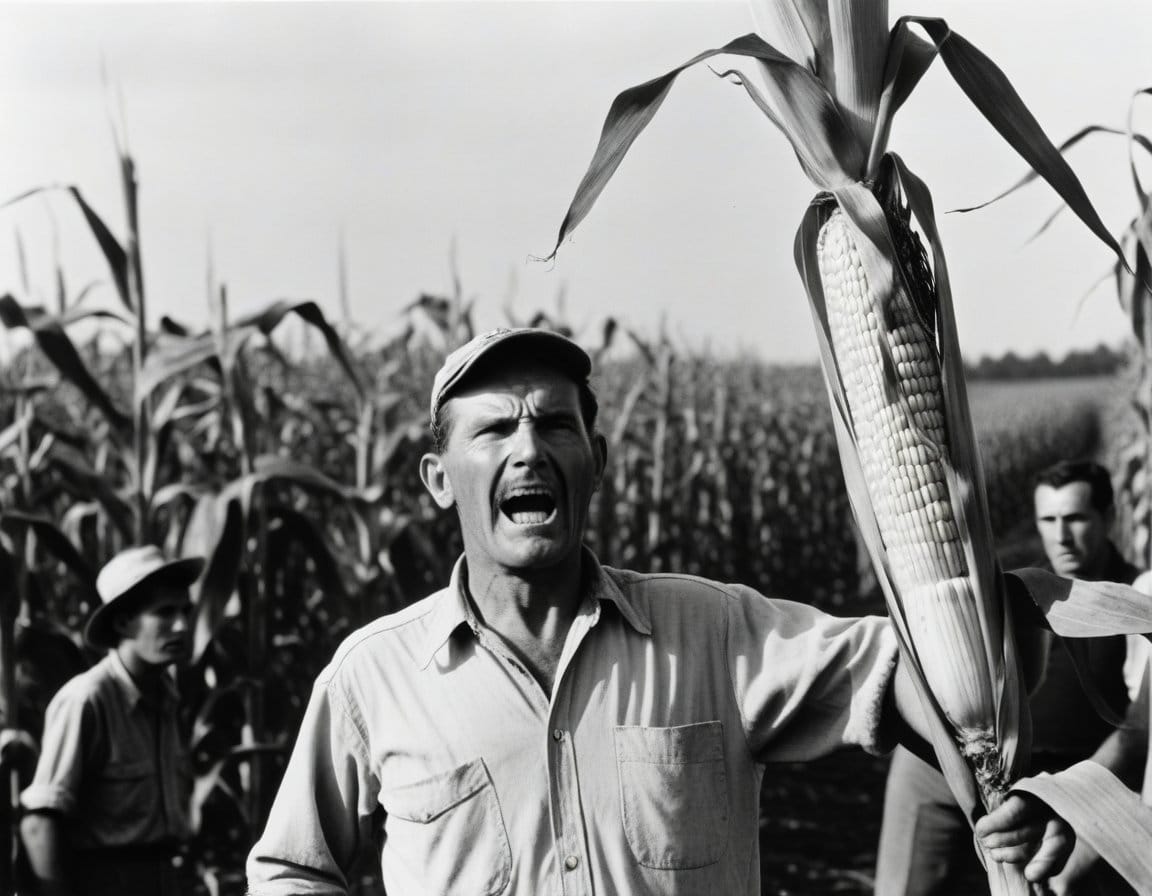
By our Consumer Correspondent · Filed from a farm that does not exist · September 12, 2026
Americans reacted with what attorneys are describing as “foreseeable fury” this week upon learning that candy corn is not harvested, does not grow on a cob, and has no agricultural stage of any kind. Three class actions have been filed, alleging that consumers purchased the product believing it came out of the ground and were deprived of a farm.
“I assumed there was a cob,” said a plaintiff in the Ohio filing, who has eaten the product every autumn for thirty-one years. “Somewhere. I assumed it was small.”
The manufacturer issued a statement Friday that ran to one paragraph and has been widely characterised as unhelpful. “We have never grown anything,” it reads in full. “We do not own a field. The product is sugar, corn syrup and wax, formed in a mould, in a building. It has been made this way since 1888. The shape is a reference.”

“The word corn in the name refers to the appearance of a kernel. It has always referred to the appearance of a kernel. We are sorry that this is the first anyone is hearing of it.”
A spokesman for the Food and Drug Administration confirmed the product has been regulated as a confection continuously since the agency began regulating confections, said the paperwork is available and has always been available, and noted that nobody had asked for it before Thursday. Asked whether the agency considered the name misleading, he said that it did not, and that there is no ham in a hamburger.
That comparison has not helped. By Friday evening the phrase “no ham in a hamburger” was trending alongside renewed anger about grapefruit, pineapple, and the sweetbread, which a nutritionist described on a morning programme as “the one you should genuinely sit down for.”
What the class actions allege
- That the product implies an agricultural origin it does not have.
- That no cob was ever produced, offered, or made available for inspection.
- That the tri-colour banding suggests a natural gradient, and “nothing in nature is that confident.”
- That plaintiffs have, for years, described the season as “candy corn season,” in public, believing it to be one.
- Damages are unspecified, pending a determination the court has been asked to make about whether disappointment is a cost.
In Hastings, Nebraska, a fourth-generation corn farmer said he has now been asked about his candy corn harvest eleven times since Thursday, twice by reporters and nine times by people who drove out. “They want to see the field,” he said. “I show them the field. It is corn. They are upset in the field.” He said he has begun charging for parking and that this has been the best week of his financial life.
Congressional response was immediate and non-specific. A subcommittee chair said hearings were “on the table,” and that the American people deserve to know what is in their food and, separately, where it is from and, separately again, whether it was ever alive. Asked whether he had believed candy corn was grown, he said the question was a gotcha and that he was not going to play that game.
A minority of consumers reported having known the entire time. These individuals have been described by everyone around them as insufferable. “It is wax,” said one Portland man, to a person who did not ask. “It has always been wax. You have all been eating a candle shaped like agriculture.” He was asked to leave the party.
Retailers reported the product selling out nationally by Saturday morning, in what analysts characterised as either a boycott that went wrong or the most effective marketing of the decade. The manufacturer has declined to say whether the price has changed, citing the executive order signed that same morning, which makes discussing such changes a matter of treason.