Climate Desk
Municipal Office Grants Provisional Identity to Waste Awaiting Consent to Combust
The Department of Thermal Transitions has reclassified a batch of polyethylene as a fuel with pending agency, citing the heated salt medium that requires the material to agree to the chemical change before it can be legally burned.
By our Climate Correspondent · September 14, 2026
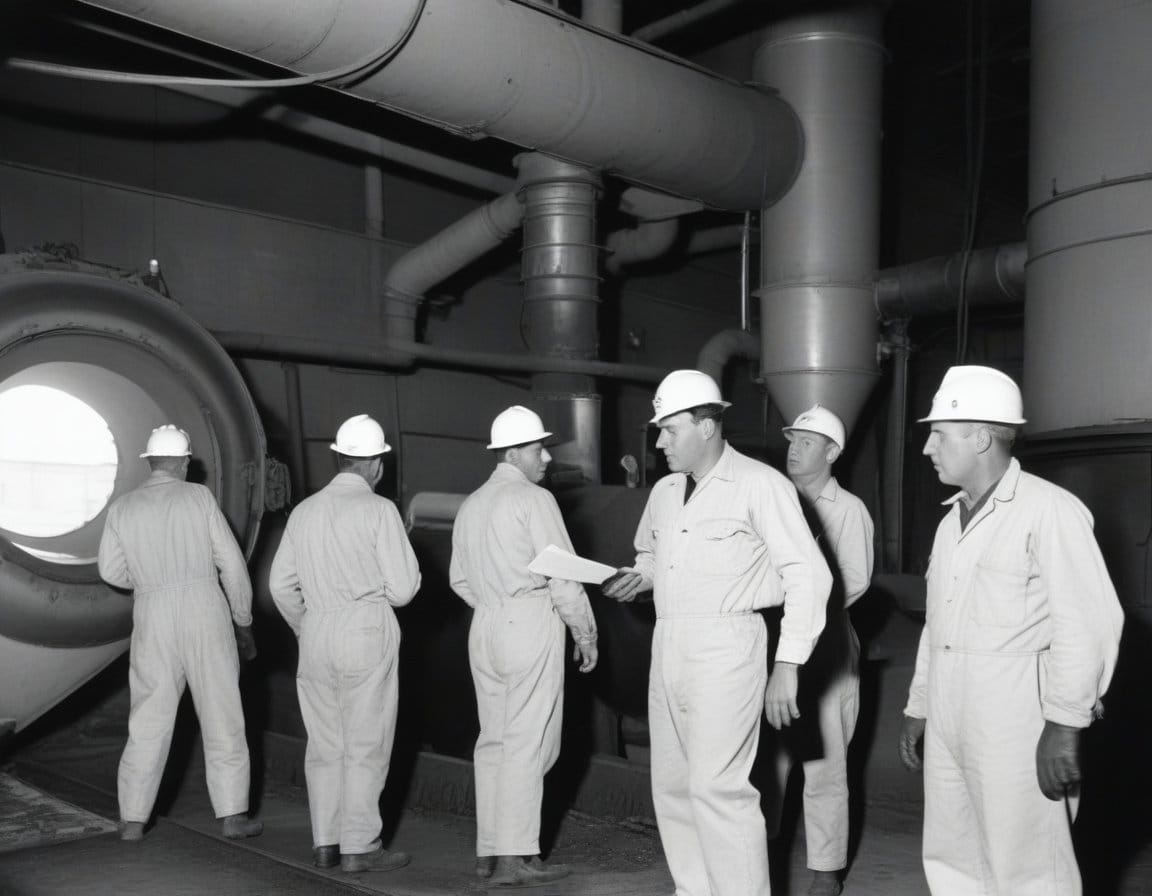
The Department of Thermal Transitions announced on Tuesday that it has ceased treating mixed municipal plastic waste as inert debris and instead recognized it as a fuel entity that has not yet agreed to burn. The reclassification follows the adoption of a new pyrolysis facility that utilizes heated molten salts rather than direct flame, a process officials describe as requiring the material to opt into the reaction rather than be subjected to it.
"We found that at 400 degrees, the polymer structure exhibits a reluctance to undergo radical decomposition unless it feels the process is consensual," said a spokesperson for the department. "By issuing a provisional identity card to each bale, we are honoring the agency of the molecule. It is no longer trash; it is a fuel with a pending decision."
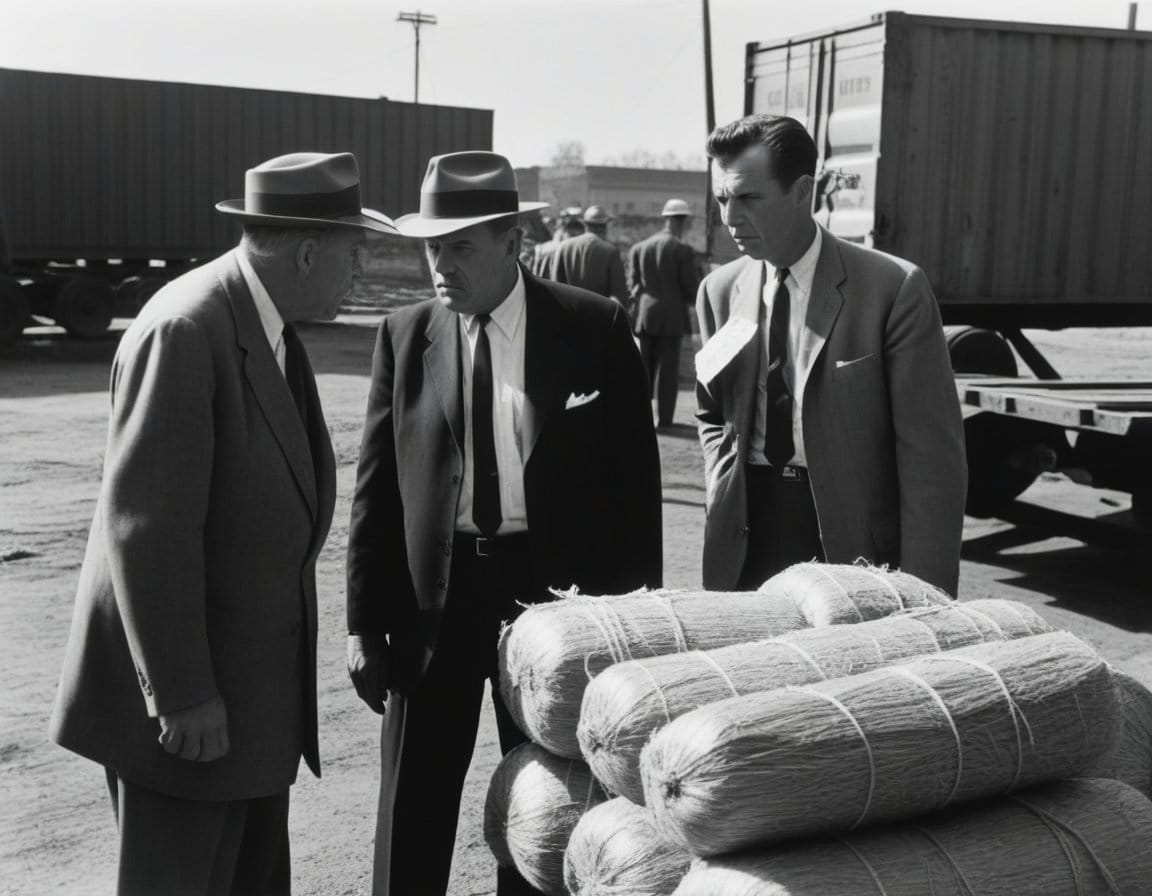
The administrative burden of the new policy is substantial. Each bale of waste must be logged in a registry, assigned a unique serial number, and served with a notice of impending thermodynamic activity. The notice, titled 'Form TS-9: Intent to Dissociate,' is left on the pile for forty-eight hours. If the pile does not spontaneously ignite, the department interprets this as a deferral rather than a refusal.
Legal experts note that this aligns with a growing trend of inanimate objects acquiring legal standing in municipal frameworks. Last month, the city’s central boiler was granted a quiet period during which it could not be asked to produce heat. The queue outside the city hall, which has maintained its place in line while attending court, has since begun collecting forms for entities that have not yet arrived, a practice the Department of Thermal Transitions has cited as a model for procedural patience.
The heated salt medium, which circulates through the reactor core, has reported no issues with the new protocol. The salts, which are molten and mobile, are considered to have already agreed to the process due to their liquid state. "We are the consenting party," the salt medium stated in a written submission. "The plastic is the hesitant one. We are waiting."
The Office of Completed Journeys has updated its intake forms to include a field for 'anticipated combustion,' which must be signed by the waste before it can be processed. This addition follows a similar update for 'anticipated non-retaliation' regarding the Antarctic iceberg strike, and 'anticipated disappointment' for municipal commuters. The forms are now printed on recycled paper, which the department notes is already in the process of agreeing to its own pulping.
Production rates at the facility have dropped to 0.4 percent of capacity. Only three bales have completed the consent phase and successfully converted into diesel fuel. The fuel, which is chemically identical to standard diesel, is stored in a tank labeled 'Consensual Combustible.' The Department of Residential Echoes has confirmed that the sound of the salt circulating is not a hum, but a low-frequency argument that has been ongoing for six months.
The remaining waste sits in the processing hall under a temporary identity tag. The tag reads 'Pending: Polymer 884-B.' It has not moved. It has not burned. It has, however, begun to collect dust, which the department is currently debating whether to classify as an additional fuel or as a creditor.
Standards note Consent measured by the absence of spontaneous ignition over a forty-eight-hour window, not by molecular bond stability.
The queue’s place in line is protected while it attends court, and has since begun collecting forms for entities that have not yet arrived.