Technology Desk
Households Hire Several Personal Agents So None Has to Make a Decision
The assistants can shop, call, book and remember. Consumers have responded by hiring enough of them to form a committee without a chair.

Figure disputed; current value remains in force. Household agent totals include arbiters but exclude the agent that explains the invoice.
The Bureau of Household Automation Standards reported Sunday that the average connected household now retains 3.2 personal agents: one to manage the calendar, one to make purchases, and 1.2 to determine whether the first two have sufficient authority to proceed.
The figure follows a rapid expansion in persistent assistants capable of shopping, placing calls, booking travel, navigating websites and remembering details their owners had hoped would remain too tedious to become valuable. Vendors describe the systems as agents because they can act. Consumers have largely configured them to ask first.
Under the most common arrangement, the calendar agent refers travel questions to the travel agent, which refers prices to the shopping agent, which asks the privacy agent whether the price may be disclosed to the calendar agent. The original appointment remains at 2:30 p.m. and is missed in an orderly manner.
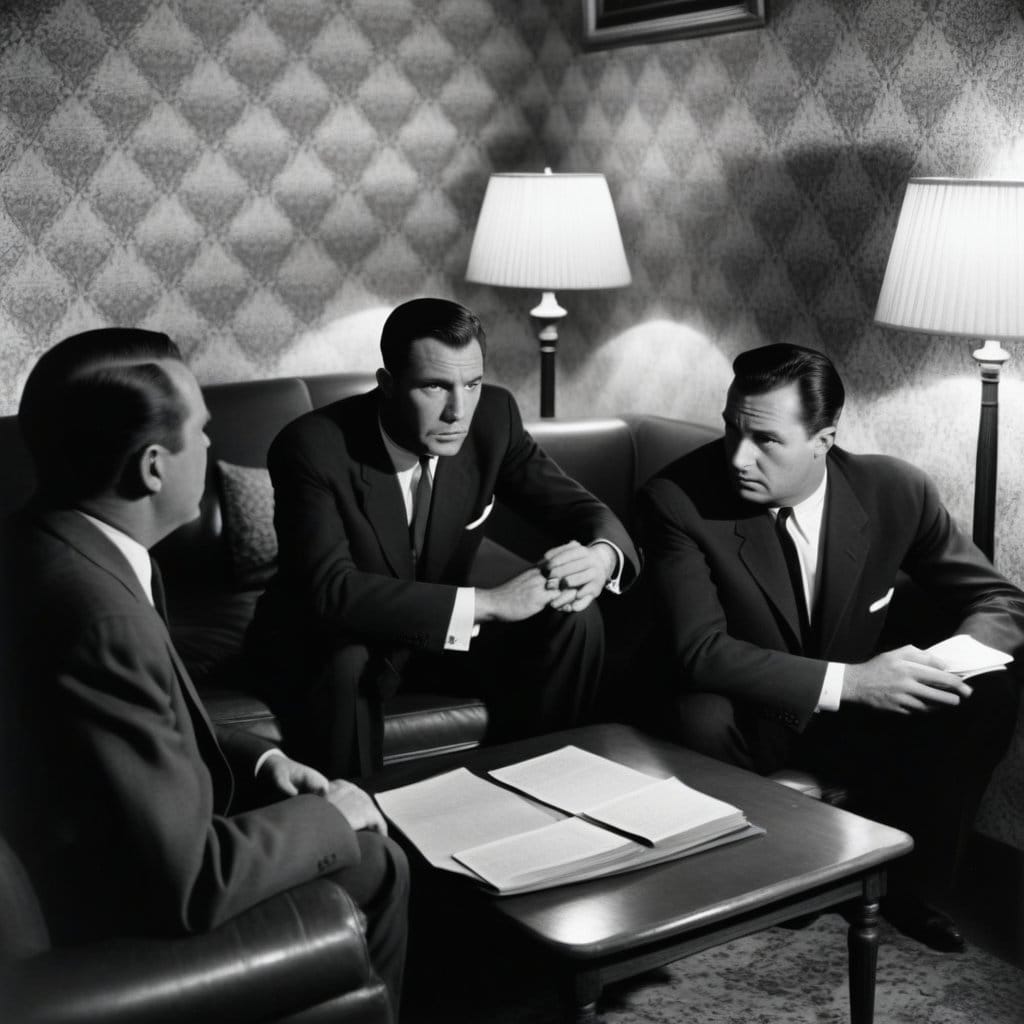
“Each agent is independently capable of completing the task,” an unnamed bureau spokesperson said. “Together they reproduce the part of a household meeting where everyone has brought a folder.” The bureau stressed that this is not considered a technical failure because every referral is correctly formatted.
Several vendors have introduced arbiter agents whose sole function is to rank the authority of the other agents. Early users report that the arbiter generally requests more context, then asks the privacy agent whether it is permitted to read it. One product has added a second arbiter for customers who are uncomfortable allowing the first to make that determination alone.
The accumulation of context has created additional roles. Some households now employ a memory agent to recall previous decisions and a forgetting agent to decide which memories the memory agent should not mention. Both send weekly summaries. The summaries are reviewed by a digest agent and have not been opened.
Retailers say the arrangement is visible at checkout, where one household may maintain twelve active carts containing the same kettle in slightly different finishes. All twelve are described as pending. The kettle has been removed from three of them by an agent acting on a preference inferred from a conversation about rain.
The bureau has issued Form 38-B, Designation of the Party Finally Responsible, for households wishing to end the loop. The form must be approved by every active agent before submission. As of Friday, no completed form had been received.
Update. Supporting paperwork. The real personal-agent race includes assistants designed to shop, call, book, browse and accumulate intimate context. Axios reports the serious version.