Metro Desk
Seven in Ten Want to Know Whether the Walls Were Once Used for Projection; None Has Asked the Building
The survey measured the question rather than the answer. The answer is held by a caretaker who has worked there since 1971 and whose telephone number is printed on the door.
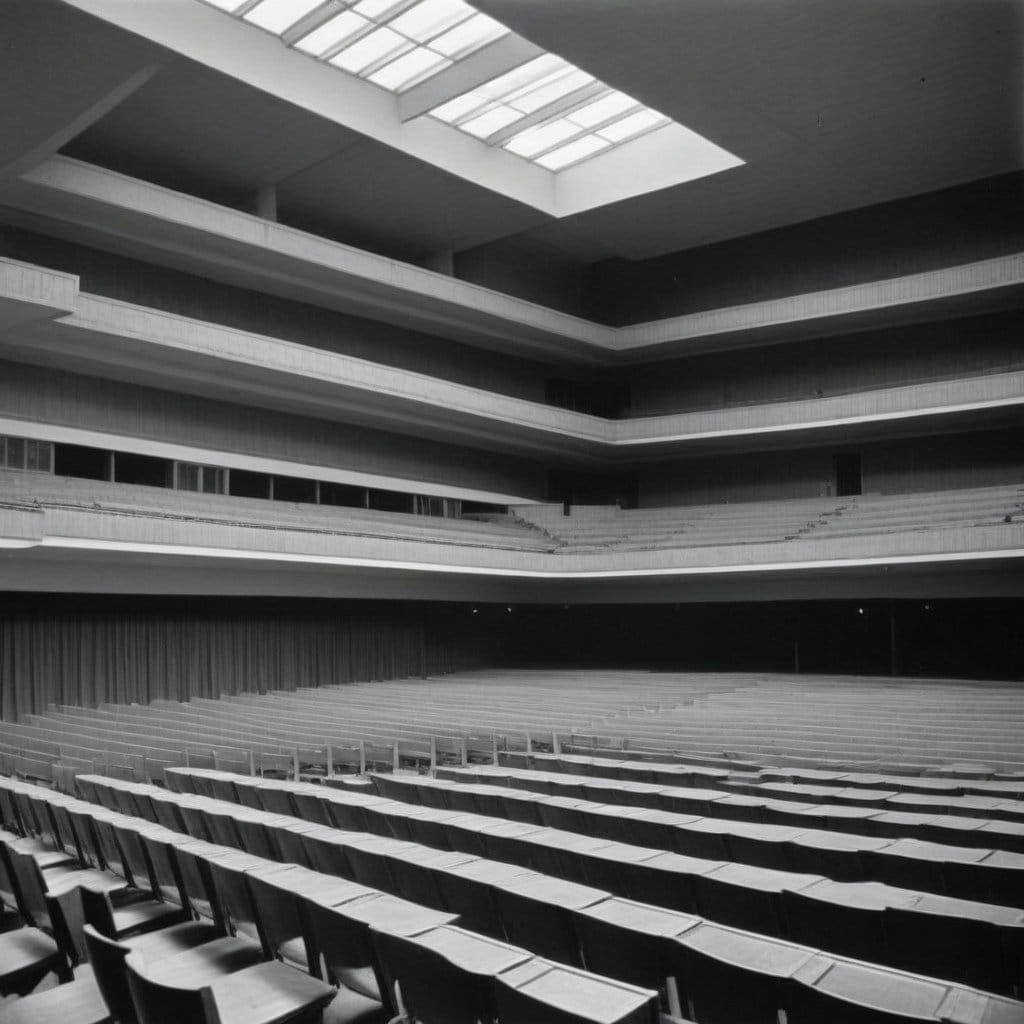
Figure disputed; current value remains in force. This paper is in possession of the caretaker’s answer and has chosen not to print it in the same edition as the poll, on the grounds that doing so would make the poll the more interesting of the two items, which it is not. The answer will appear next week.
Seventy-one per cent of respondents in a county-wide survey said they would like to know whether unclothed photographic images of the period were once projected onto the interior walls of the assembly hall on Fourth Street. The survey did not establish whether they were. It was not designed to. It was designed to establish whether people wanted to know, and it found that they did.
The instrument ran to one question. Respondents were read a description of the hall, its dimensions, and the period in question, and were then asked whether they would like the matter settled. Sixty-one per cent said yes. A further ten per cent said yes after the question was repeated, which the institute counts separately and reports together.
The crosstabs have attracted the attention. Among respondents identifying as members of the Church of Jesus Christ of Latter-day Saints, the figure was seventy per cent, a result the institute describes as within the margin of the general population and the institute’s own press release describes as striking. Both documents were issued the same morning by the same office.
The wording was tested. An earlier draft asked about “projected material” and returned a lower figure, which the institute attributes to ambiguity rather than to modesty. The final wording was selected because it was the version people answered.
The hall is standing, is open on weekdays, and has kept a bookings ledger continuously since 1968. The ledger records the hire of a projector on four occasions in the relevant decade and names the party responsible in each case. The institute did not consult it. Asked why, a spokesman said the study was a study of public opinion and that consulting the ledger would have produced a different kind of finding.
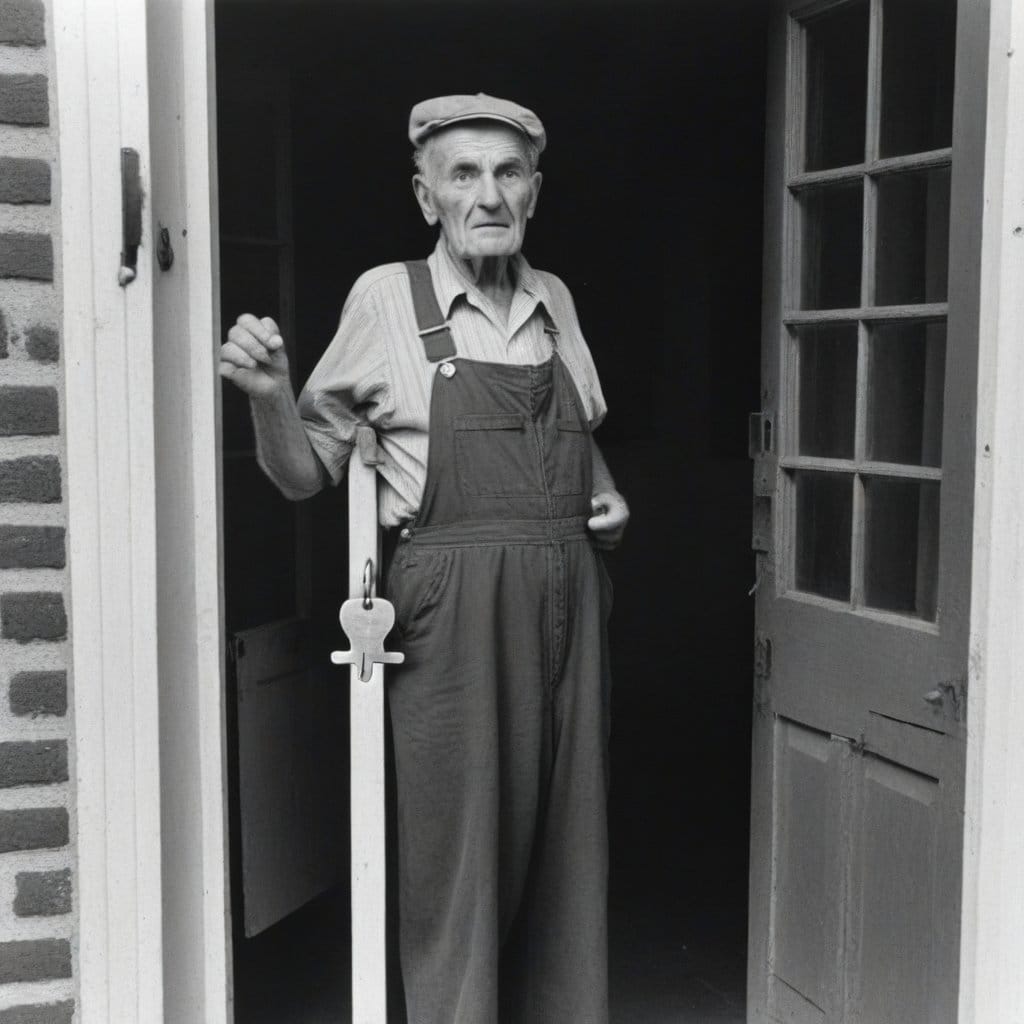
The caretaker has worked in the building since 1971. His number is printed on a card beside the door and has not changed. This paper called it. He answered on the second ring, listened to the question, and said that he could tell us, that nobody had ever asked, and that he had assumed this was because everyone already knew.

We have his answer. The institute has scheduled a follow-up survey.
The institute’s previous county-wide survey established that sixty-four per cent of residents would like to know how the reservoir got its name. That question also remains open and is also answerable by telephone.