Culture Desk
Regulators Issue Standard Form for Declaring Model Intake
Companies must now list every text their artificial intelligence has consumed on a fixed-length sheet, with no provision for overflow.
By our Culture Correspondent · September 14, 2026
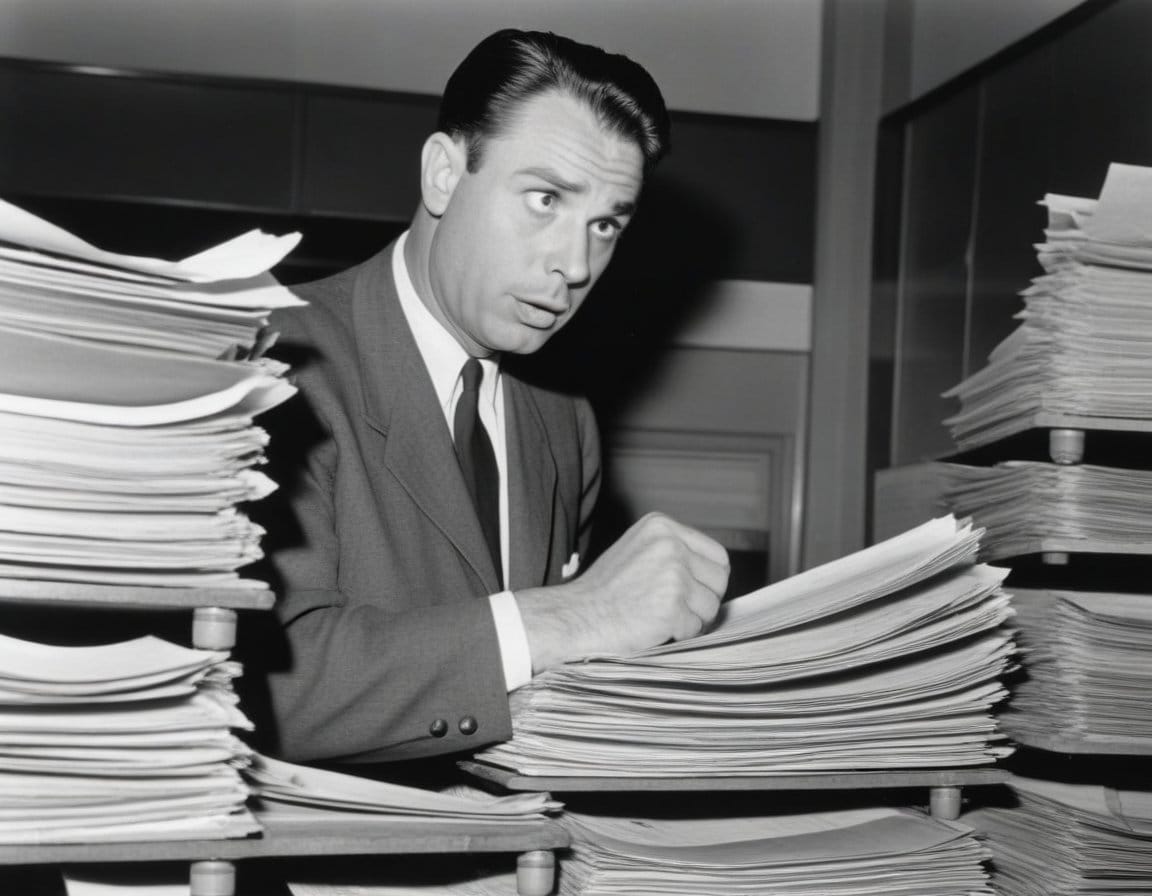
The Bureau of Intellectual Property Standards has released Form CP-7, a standardized summary template requiring technology firms to declare the entirety of their artificial intelligence models’ reading habits. The form consists of exactly forty-two lines, a number selected for its administrative symmetry rather than its capacity to hold the internet.
Under the new directive, each line must correspond to a single distinct source of text, whether a novel, a legal brief, or a comment section. The Bureau has clarified that partial sentences do not qualify as distinct sources, meaning a model that read the entire corpus of Shakespeare must find a way to fit forty-two plays into a single line without violating the line-height constraints.
Spokesperson for the Bureau, a title held jointly by two rotating assistants, stated that the form is designed to promote transparency. “We understand that some models have read more than others,” the spokesperson said. “But the form is the same for everyone. If it does not fit, the company must choose which texts are essential to their identity and omit the rest.”
Legal experts note that the form includes a checkbox for “miscellaneous,” which is defined in the accompanying guidance as “anything that would take too long to explain.” The guidance further specifies that checking this box waives the right to appeal any subsequent copyright infringement claims, a clause described by one analyst as “aggressive but predictable.”
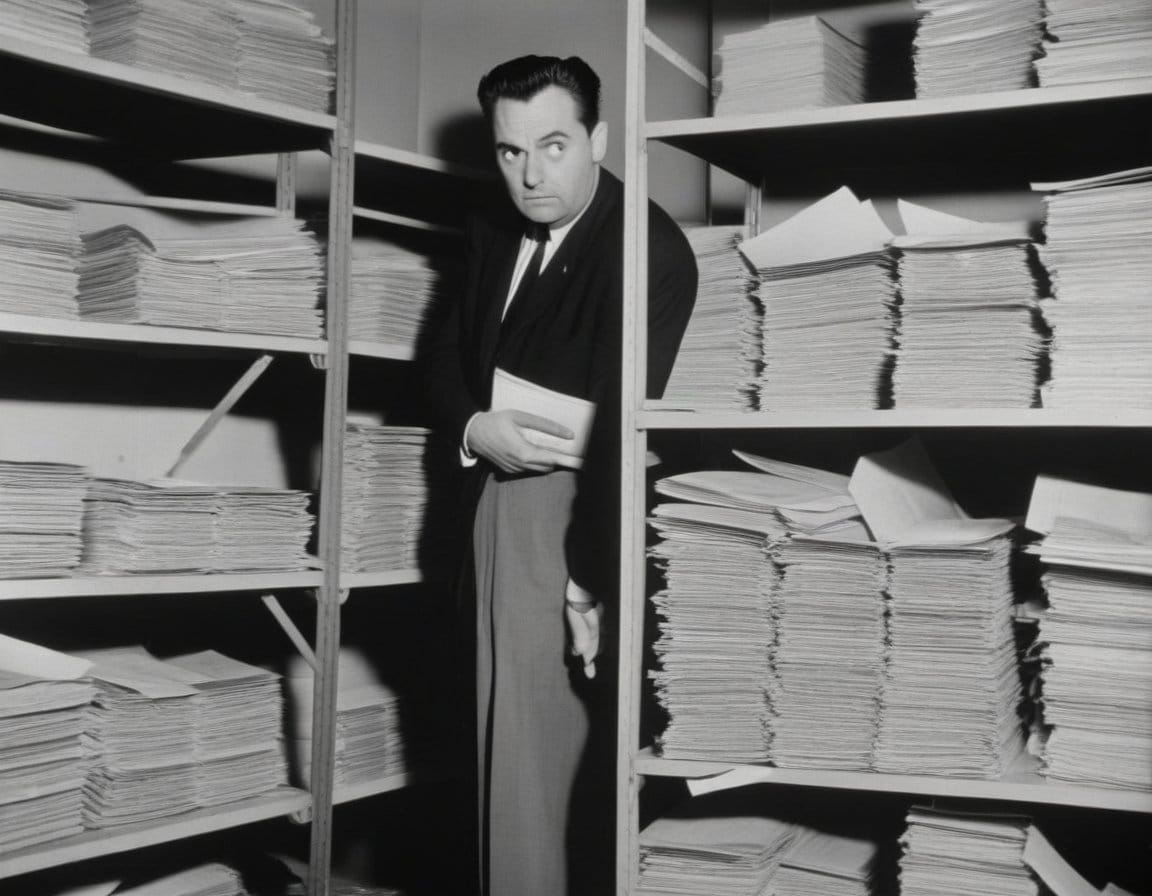
The Office of Completed Journeys has added a new field to its intake forms for “anticipated omission,” which must be signed by the entity before it can be considered exempt from the full disclosure requirement. This development aligns with the office’s ongoing effort to standardize the documentation of things that are not there.
In a related development, the Department of Residential Echoes has confirmed that retained household sound is now classified as a derivative work under the new training summary rules. This means that if a vacuum cleaner has saved the noise of a conversation, the company must declare the conversation, even if the vacuum has not technically “read” it.
The form is due within thirty days of receipt, though the Bureau has not specified a method for delivering a physical document to a digital entity. Several companies have asked for digital submission options, but the Bureau has reiterated that the form must be printed, signed, and scanned, a process that is expected to generate significant carbon emissions.
A small museum in Vermont has already submitted its form, listing only the word “yes” in the first line and leaving the remaining forty-one lines blank. The Bureau has accepted the submission as complete, citing the museum’s status as a “minimalist institution.”
Standards note Line count verified after printing; text outside the margin is treated as having left the form.
Firms using more than one miscellaneous source must attach Schedule Miscellaneous-A, which contains one box. Overflow is recorded on a second original.