Science Desk
One Candy Corn Per Day May Cure Chronic Back Pain, Say Experts
Researchers stressed that the finding was preliminary, statistically significant and limited to adults capable of stopping after one candy corn without supervision.
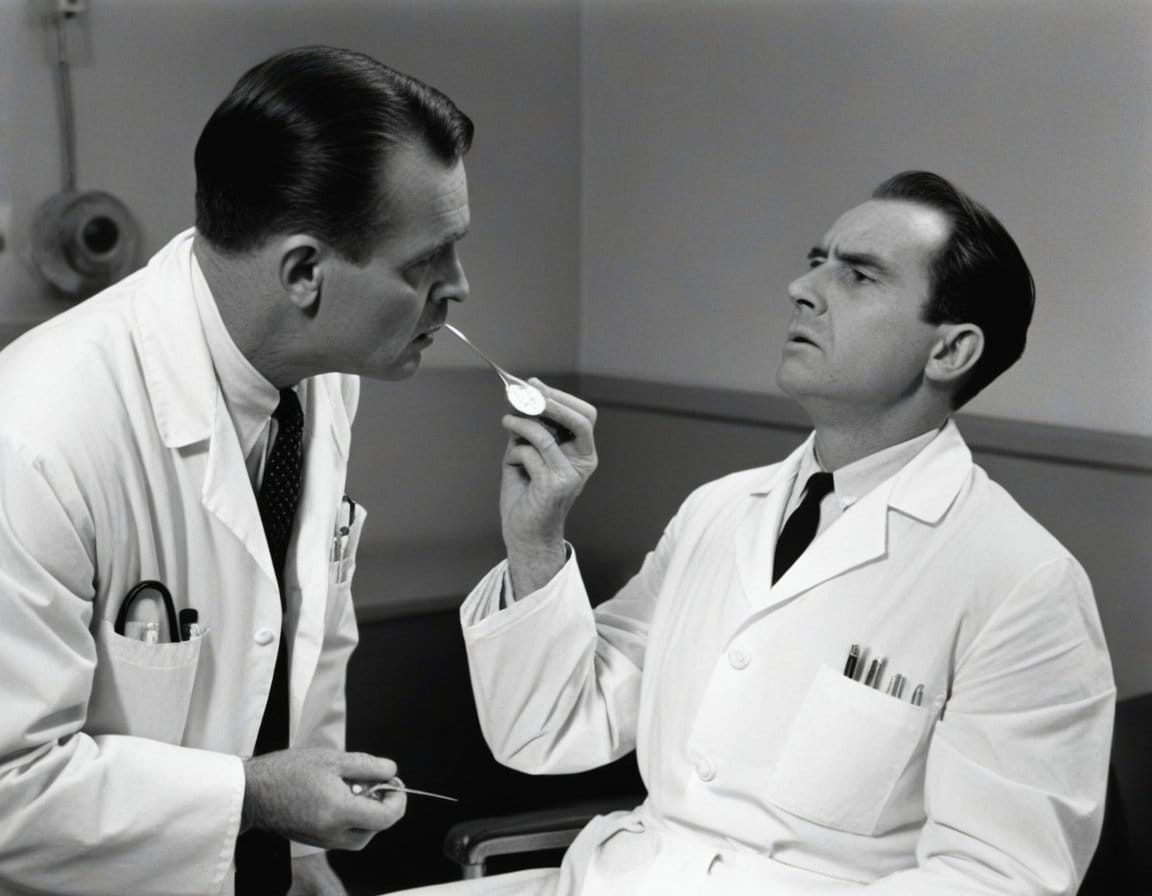
By our Health Findings Correspondent · September 14, 2026
A daily dose of exactly one candy corn may eliminate chronic lower-back pain, according to a small pilot study whose authors said the finding was promising but should not be interpreted as permission to eat two.
The study followed 48 adults for six weeks. Twenty-four participants received one candy corn each morning, while 24 were shown a photograph of one and asked to imagine that it was medicinal. Reported pain scores fell by 61 percent in the first group and by 4 percent in the photograph group, a difference researchers described as statistically significant at p=0.031 and visually obvious near the vending machine.
The paper defined a cure as the absence of a pain complaint during an eleven-second interview conducted immediately after the morning dose. Researchers said this was a standard patient-reported endpoint because participants were patients and had reported it.
Experts not involved in the work said the results may represent an important advance, though all emphasized the word “may” and declined repeated invitations to use a different verb.

“The evidence is not yet strong enough to say that candy corn cures back pain,” the National Centre for Cautious Findings said in a statement. “It is strong enough to say that it may cure back pain, which is the finding under discussion.”
Researchers said the proposed mechanism remains unclear. Leading possibilities include a mild anti-inflammatory effect, improved spinal optimism and the daily activation of muscles used to unwrap a very small serving. The team ruled out sugar as the sole cause after a control biscuit proved too emotionally complete.
The dose was chosen after a pilot group given unrestricted access to candy corn stopped producing usable answers. Investigators said one piece appeared to occupy the narrow therapeutic window between no intervention and Halloween.
To qualify for the study, participants were required to have reported lower-back pain on at least 180 days in the previous year, to have received no effective treatment, and to be able to distinguish a single candy corn from a handful while unsupervised. Of 3,406 applicants, 48 met all three criteria.
The Federal Office of Confectionery Outcomes said the research applied regardless of which plant candy corn did not come from. The office noted that the product’s agricultural origin remains formally disputed following recent litigation over the absence of a cob, but said botanical uncertainty did not affect the dosage because each piece had been counted indoors.
The authors cautioned that the study was small, brief and conducted entirely during the four weeks of the year when candy corn is easiest to regard as plausible. They also disclosed that the confectionery industry supplied the candy corn but had no role in study design beyond asking whether the photograph could look more appetizing.
A larger randomized trial is scheduled for autumn 2027. It will compare one candy corn with half a candy corn, a kernel-shaped placebo and usual care, defined in the protocol as being told to improve posture.
At the end of the study, participants were asked to return unused doses. None were returned. The photograph remained in the envelope.
Standards note A daily dose was recorded as exactly one candy corn when one whole piece was dispensed; crumbs were classified as handling loss and not additional medicine.
This finding follows unresolved litigation over whether candy corn implies an agricultural origin and whether a cob was ever made available for inspection. Read the earlier coverage →